Using Insurance Icons Infographics to Simplify Visual Communication
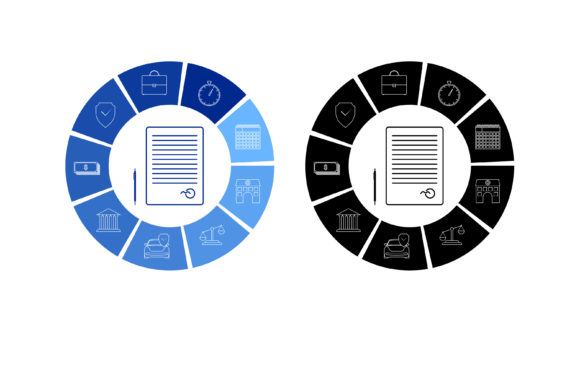
Visual communication plays a crucial role in how information is absorbed, especially in industries like insurance where concepts can be complex. Insurance Icons Infographics offer a streamlined way to represent life, health, property, and bank deposit insurance through clear, recognizable symbols. These vector-based visuals—available in EPS and JPEG formats—are designed to integrate seamlessly into presentations, marketing materials, educational content, and digital platforms. Whether you're a professional creating client-facing documents or a marketer building awareness campaigns, these icons provide a consistent visual language that enhances understanding and engagement.
How Insurance Icons Infographics Fit Into Broader Workflows
Before diving into a project that involves explaining insurance policies or benefits, visual clarity is essential. Insurance Icons Infographics serve as a foundational asset that can be used in the planning, execution, and delivery phases of content creation. For instance, during the planning stage, selecting the right icons helps define the visual tone of the material. During production, they support layout design and content organization. And in the final delivery, they reinforce key messages and improve readability.
These infographics are particularly useful when working with teams or across departments. Designers, marketers, and customer service professionals can all reference the same set of icons to maintain brand consistency and message alignment. Whether you're building a website, preparing a training module, or launching an email campaign, having a unified visual system in place streamlines collaboration and reduces revision cycles.
Integration with Tools and Platforms
One of the key strengths of Insurance Icons Infographics is their compatibility with a wide range of tools and platforms. Because they are provided in both EPS and JPEG formats, they can be easily imported into design software like Adobe Illustrator, Photoshop, or Canva. This flexibility allows for both high-quality print outputs and optimized digital visuals.
- Adobe Creative Suite: EPS files are ideal for scalable vector graphics, ensuring crisp visuals at any size.
- Canva and Figma: JPEG versions can be quickly inserted into drag-and-drop design tools for fast turnaround.
- PowerPoint and Google Slides: Icons enhance presentations by making complex data more digestible.
- Web and Mobile Apps: Optimized JPEGs can be embedded directly into UI elements or dashboards.
These icons also work well alongside content management systems (CMS) and email marketing platforms. Whether you're updating a knowledge base or crafting a client newsletter, incorporating standardized visuals ensures consistency across touchpoints.
Practical Use Cases Across Industries
Insurance Icons Infographics are not limited to use by insurance providers alone. They are valuable assets for educators, HR departments, financial advisors, and business consultants who need to explain insurance-related topics clearly. Here are a few real-world applications:
- Client Education: Use icons in brochures or online guides to visually differentiate between life, health, and property insurance options.
- Employee Onboarding: Incorporate icons into HR handbooks or benefits portals to help new hires understand coverage types.
- Marketing Campaigns: Build awareness with social media graphics or landing pages that use icons to highlight key policy benefits.
- Data Visualization: Pair icons with charts or infographics to illustrate coverage levels, claim processes, or payout structures.
- E-learning Modules: Support instructional content with visual cues that help learners retain complex insurance terminology.
By integrating these icons early in the content development process, creators can ensure that visuals and messaging evolve in parallel, reducing the need for rework and improving overall efficiency.
Designing for Usability and Consistency
When working with visual assets like Insurance Icons Infographics, maintaining design consistency is key. Here are a few best practices to follow:
- Stick to a Visual Style: Choose icons that share a common design language—whether flat, outlined, or color-coded—to maintain a cohesive look.
- Use Consistent Sizing: Align icon dimensions with your layout grid to avoid visual clutter and ensure readability.
- Label Clearly: Pair icons with short, descriptive text to reinforce meaning, especially for audiences unfamiliar with insurance terminology.
- Optimize for Different Formats: Ensure JPEG files are compressed appropriately for web use without sacrificing clarity.
- Organize Assets: Store icons in a centralized folder or asset library with clear naming conventions for easy retrieval.
These habits not only improve the professionalism of your materials but also streamline future updates and reuse of visual assets.
Maximizing Efficiency in Visual Workflows
Efficiency in visual workflows often comes down to preparation and organization. Before launching a project, take time to map out which insurance topics will be covered and which icons best represent those concepts. This proactive approach prevents last-minute scrambling and ensures that visuals are aligned with messaging from the start.
For teams that frequently produce insurance-related content, creating a reusable template library with pre-integrated icons can save significant time. Whether it's a PowerPoint deck, a web page layout, or a brochure design, having a ready-to-use framework allows for faster iteration and more consistent output.
Additionally, version control is important when working with visual assets. Keep track of updated icon sets and communicate changes to relevant team members. This helps avoid outdated visuals being used in new materials and maintains a professional brand image.
Long-Term Value and Scalability
As your organization's content needs grow, so too should your visual toolkit. Insurance Icons Infographics are scalable assets that can be repurposed across multiple projects and platforms. Whether you're expanding into new markets, introducing new insurance products, or updating existing materials, these icons provide a flexible foundation that supports long-term communication goals.
Consider archiving older versions of visual assets while keeping current ones accessible. This not only preserves brand history but also makes it easier to reference past materials when planning new campaigns. Over time, this approach builds a robust visual library that enhances productivity and brand recognition.
Incorporating Insurance Icons Infographics into your regular workflow isn’t just about making content look better—it’s about making information more accessible, communication more efficient, and decision-making more informed. Whether used internally to streamline operations or externally to engage clients, these icons are a practical tool for anyone working with insurance-related content.