4 Steps Infographics Design: A Clear Path to Visual Communication
In today’s fast-paced digital world, the ability to convey complex information quickly and clearly is more valuable than ever. That’s where the 4 Steps Infographics Design approach comes in—a streamlined method that empowers creators, marketers, educators, and entrepreneurs to turn data into compelling visuals. Whether you're preparing a presentation, launching a marketing campaign, or teaching a concept, this structured design process ensures clarity, consistency, and visual impact.
Why Infographics Matter in Modern Communication
Infographics have evolved from being a niche design tool to a mainstream communication asset. As attention spans shorten and visual literacy rises, people increasingly prefer digesting information through visuals rather than dense text. The 4 Steps Infographics Design framework offers a practical way to meet this demand without requiring advanced design skills. It’s especially useful for professionals who need to create high-quality visuals efficiently and adapt them across platforms and formats.
How the 4 Steps Infographics Design Process Works
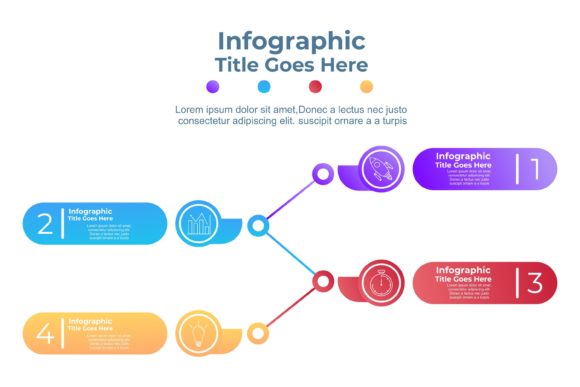
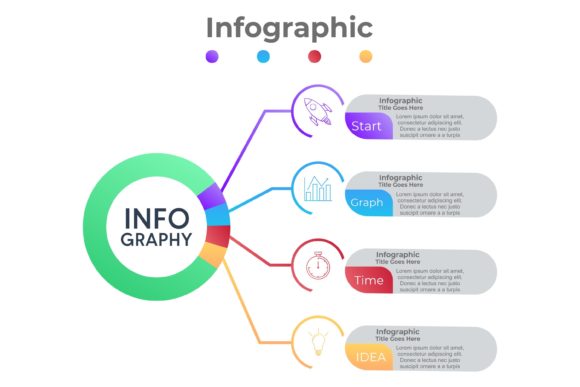
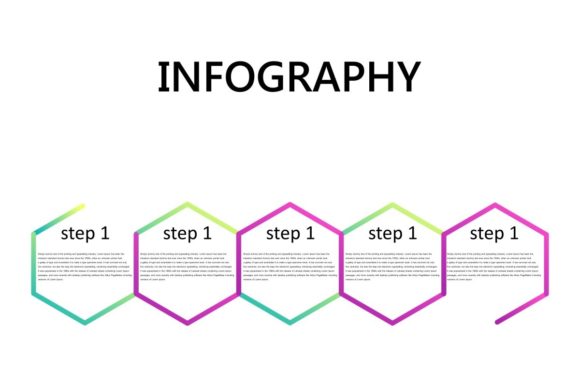
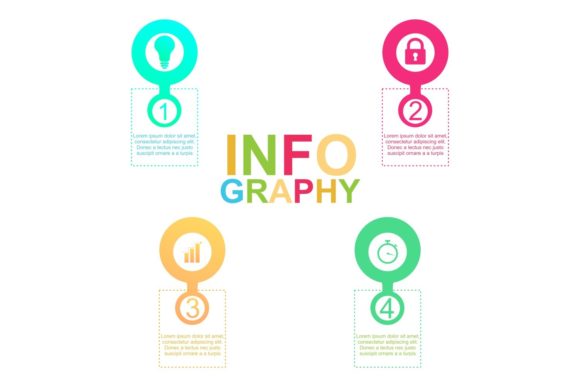
- Define the Message: Every great infographic starts with a clear objective. What is the core message or data point you want to highlight? Identifying this early ensures your design remains focused and impactful.
- Structure the Information: Organize your content logically. Whether it’s chronological, comparative, or hierarchical, the structure guides how viewers will navigate your infographic.
- Visualize with Purpose: Choose icons, charts, and layout elements that support your message without overwhelming it. This step is where the design becomes both informative and engaging.
- Refine and Optimize: Polish your visuals, check readability, and ensure the design works across different sizes and formats. This is where vector files come into play, offering flexibility without loss of quality.
Vector Files: The Key to Flexible, High-Quality Design
One of the standout features of the 4 Steps Infographics Design package is the inclusion of multiple file formats—JPG, PNG, AI, SVG, and CMX. These formats ensure that your infographics remain crisp and professional, no matter how you use them. Vector files like AI (Adobe Illustrator), SVG (Scalable Vector Graphics), and CMX (CorelDRAW Metafile Exchange) are especially valuable because they allow for infinite scalability. Whether you’re printing a poster or embedding an image on a mobile app, your visuals won’t pixelate or distort.
Practical Benefits of Vector-Based Infographics
- Editability: Vector files can be opened and modified in popular design software such as Adobe Illustrator and CorelDRAW, making it easy to tweak colors, layout, or content as needed.
- Resizability: Because vectors use mathematical formulas rather than pixels, they maintain clarity at any size—ideal for repurposing content across different media.
- Compatibility: With support across major design platforms, these files integrate seamlessly into modern creative workflows.
Adapting to Changing Workflows and Design Expectations
Design trends and professional expectations are shifting toward more agile, reusable, and adaptable assets. The rise of remote collaboration, digital marketing, and content-driven strategies has increased the demand for visuals that can be quickly edited and reused across channels. The 4 Steps Infographics Design approach, combined with vector-based file support, aligns perfectly with these evolving needs.
For instance, a small business owner might use a pre-designed infographic template to explain a product feature on their website. Later, they could resize and tweak the same design to use in a printed brochure or social media post—all without losing quality or spending extra time recreating the asset from scratch.
Who Benefits Most from This Design Approach?
- Marketers: Quickly create sharable visuals for campaigns, reports, and social media updates.
- Educators: Simplify complex lessons and make learning materials more engaging and accessible.
- Entrepreneurs: Present business plans, market research, or product benefits in a visually compelling way.
- Freelancers: Expand their portfolio with customizable, high-quality visuals that serve multiple client needs.
From Static to Scalable: The Evolution of Infographic Design
Not long ago, infographics were often static images created for a single use. Today, they’re dynamic assets that need to be reused, resized, and rebranded across digital and print platforms. The shift toward vector-based design has made this flexibility possible. Tools like SVG and AI files have become essential in modern design ecosystems, especially for professionals who need to maintain brand consistency and visual integrity across different applications.
This evolution reflects broader changes in how we consume and interact with information. Mobile browsing, responsive web design, and multi-platform publishing demand visuals that can scale and adapt seamlessly. The 4 Steps Infographics Design methodology, paired with vector file support, meets these demands head-on—providing a practical solution for today’s visual communication challenges.
Real-World Applications and Use Cases
Consider a digital marketer launching a new service. They might start with an infographic summarizing the service’s benefits using the 4 Steps Infographics Design method. They can export the design as a high-resolution JPG for a blog post, an SVG for the website, and an AI file for internal team edits. This flexibility saves time and ensures consistency across channels.
Similarly, an educator could use a pre-designed infographic to explain a complex scientific process. With vector files, they can adjust labels, add annotations, or modify diagrams to suit different class levels—all while maintaining clarity and quality.
Choosing the Right File Format for Your Needs
Understanding which file format to use depends on your specific use case:
- JPG: Best for web use where file size is a concern, but not ideal for editing or scaling.
- PNG: Offers transparency and higher quality than JPG, suitable for digital use but not scalable without loss.
- AI: Fully editable vector format for Adobe Illustrator users, perfect for making design changes.
- SVG: Web-friendly vector format that scales perfectly and integrates well with modern websites.
- CMX: Ideal for CorelDRAW users who need to edit and repurpose designs within that ecosystem.
Maximizing the Value of Your Infographic Assets
To get the most out of the 4 Steps Infographics Design package, consider the following tips:
- Start with a clear goal: Know your audience and the message you want to convey before diving into design.
- Customize thoughtfully: Use the editable vector files to tailor visuals to your brand or specific needs without overcomplicating the design.
- Repurpose strategically: Turn one infographic into multiple variations for different platforms—social media, presentations, reports, and more.
- Test and refine: Share your visuals with colleagues or target users to gather feedback and improve clarity and impact.
Final Thoughts: Designing for Clarity, Flexibility, and Impact
The 4 Steps Infographics Design approach, combined with a comprehensive set of vector files, offers a powerful solution for modern visual communication. Whether you're a seasoned designer or a beginner looking to present information more effectively, this method provides a clear, structured path to creating visuals that inform, engage, and resonate. With the ability to edit, resize, and repurpose designs across platforms, you’re equipped to meet today’s design challenges with confidence and creativity.