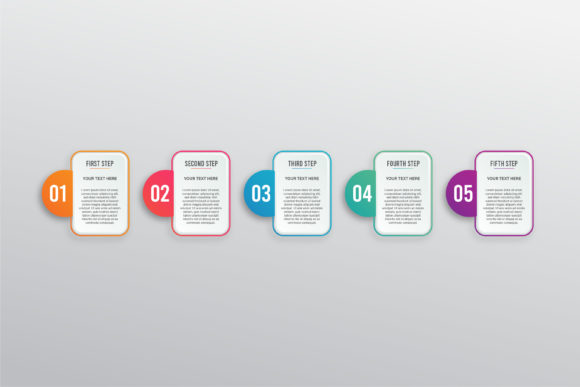
Five Steps Simple Infographic: A Visual Tool for Streamlining Processes
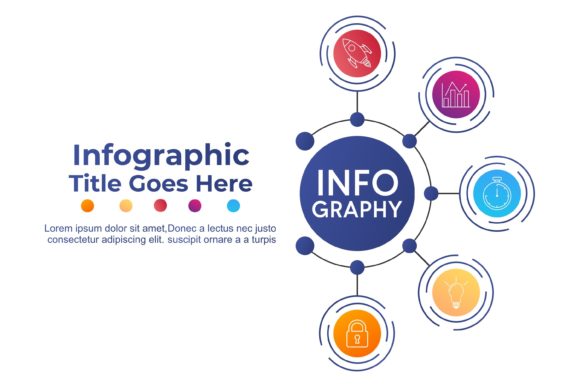
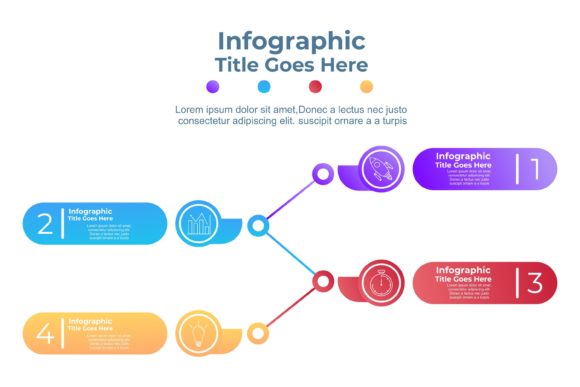
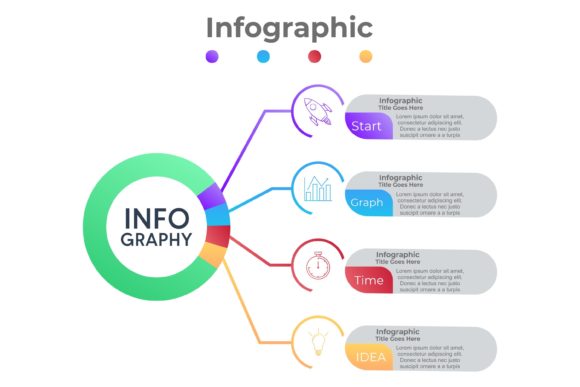
The Five Steps Simple Infographic is a practical visual resource designed to help users break down complex processes into digestible, sequential stages. Whether you're managing a business project, planning a creative campaign, or organizing a personal goal, this infographic offers a clear framework for visual storytelling and process mapping. The downloadable package includes a ZIP file containing an Adobe Illustrator (Ai) file, an EPS10 file, and a high-quality JPG, all built with 100% vector graphics for full editability.
This tool works especially well for professionals, educators, entrepreneurs, and content creators who need to communicate structured information in a visually engaging way. Its flexibility allows it to be used at various stages of a workflow—before, during, or after a project—to clarify direction, track progress, or summarize outcomes.
How to Use the Five Steps Simple Infographic in Different Stages of a Project
Understanding when and how to integrate the Five Steps Simple Infographic into your workflow can significantly improve clarity and efficiency. Here’s how it can be applied across different phases:
- Pre-Planning: Use the template to outline a proposed process before diving into execution. This helps stakeholders visualize the roadmap and align expectations early on.
- During Execution: Modify the infographic to reflect current progress, serving as a real-time visual tracker for team members or clients.
- Post-Project Review: Repurpose the design to summarize the steps taken, lessons learned, and outcomes achieved, making it ideal for reports, presentations, or case studies.
By adapting the infographic to each phase, you maintain a consistent visual language throughout the project lifecycle, enhancing communication and reducing confusion.
Integration with Other Tools and Workflows
The Five Steps Simple Infographic is not a standalone solution but a complementary asset that works best when integrated with other tools and systems. Here are a few ways to make it part of your broader workflow:
- Project Management Platforms: Use the infographic as a visual summary within tools like Trello, Asana, or Notion to give team members a quick overview of key stages.
- Design and Presentation Tools: Edit the Ai or EPS file in Adobe Illustrator or import the JPG into PowerPoint, Canva, or Google Slides for presentations, reports, or social media posts.
- Documentation and Training: Incorporate the infographic into onboarding materials, training guides, or internal documentation to reinforce process understanding.
- Client Communication: Share a customized version of the infographic with clients to explain your approach, especially useful in marketing, consulting, and creative industries.
Because the design is fully editable and vector-based, it can be scaled and adapted for print, digital, or presentation use without losing quality, making it versatile across platforms and purposes.
Practical Tips for Using the Five Steps Simple Infographic
While the design is intuitive, maximizing its effectiveness requires thoughtful implementation. Here are some practical tips to help you get the most out of the Five Steps Simple Infographic:
- Customize Thoughtfully: Don’t just fill in the blanks—tailor each step to reflect your specific process. Use consistent terminology and avoid jargon unless it's industry standard.
- Use Color Strategically: Assign specific colors to each step to help viewers quickly identify progress or stages. Maintain a color scheme that aligns with your brand or existing materials.
- Keep Text Concise: Each step should be a brief label or phrase, not a paragraph. Use the infographic as a visual anchor and expand on details elsewhere if needed.
- Test for Clarity: Before finalizing, show the infographic to someone unfamiliar with the process and ask them to explain what they see. If they struggle, simplify or clarify the design.
- Store and Share Smartly: Save versions of the infographic in both editable (Ai/EPS) and shareable (JPG/PDF) formats. Organize files in a way that makes them easy to retrieve and reuse.
By following these tips, you ensure the infographic remains a useful and professional asset across different contexts and audiences.
Preparing for Long-Term Use and Reusability
One of the biggest advantages of the Five Steps Simple Infographic is its reusability. Because it's built with vector graphics and comes in multiple file formats, it can be reused across projects with minimal effort. Here’s how to set yourself up for long-term success:
- Create a Template Folder: Store the original Ai and EPS files in a dedicated template folder for easy access. Create subfolders for customized versions used in different industries or departments.
- Develop a Style Guide: If you're using the infographic across multiple teams or projects, establish a basic style guide outlining font choices, color codes, and layout conventions.
- Version Control: When making changes for a new use case, save a new version instead of overwriting the original. This preserves the base template and allows for easy comparison.
- Update Periodically: As your processes evolve, revisit the infographic to ensure it remains accurate and aligned with current practices.
By treating the infographic as a living asset rather than a one-time tool, you increase its value over time and reduce the need to recreate visuals from scratch.
Real-World Applications Across Industries
The Five Steps Simple Infographic isn’t limited to a single use case or industry. Here are a few real-world applications that demonstrate its versatility:
- Marketing Campaigns: Outline the five stages of a campaign—from research to analysis—to help teams stay aligned and clients stay informed.
- Product Development: Visualize the journey from ideation to launch, ensuring each phase is clearly defined and understood by cross-functional teams.
- Training Programs: Use the infographic to break down the learning path for new employees or customers, making complex processes more approachable.
- Personal Productivity: Map out a five-step system for managing daily tasks, improving habits, or achieving long-term goals like fitness or financial planning.
- Educational Materials: Teachers and trainers can use the template to explain historical events, scientific processes, or problem-solving strategies in a structured format.
These examples show how the same visual framework can be applied across different domains, reinforcing the value of a consistent and adaptable design.
Final Thoughts on Implementing the Five Steps Simple Infographic
Whether you're a marketer, educator, project manager, or independent creator, the Five Steps Simple Infographic is a powerful visual aid that supports clarity, consistency, and communication. Its strength lies not just in its design but in how you integrate it into your workflows, documentation, and presentations.
By understanding its format, customizing it for your needs, and embedding it into your regular processes, you create a reusable asset that enhances efficiency and understanding. The downloadable package—with its Ai, EPS, and JPG files—ensures that you can adapt the design to any medium or platform, maintaining quality and flexibility.
As you begin to use the infographic, remember that its purpose is to simplify, not complicate. Let it serve as a clear visual guide that supports your goals, whether in business, education, or personal development. With thoughtful implementation, it becomes more than just a graphic—it becomes a tool for better planning, execution, and communication.