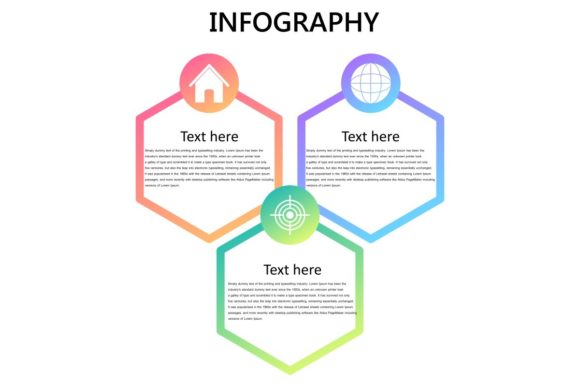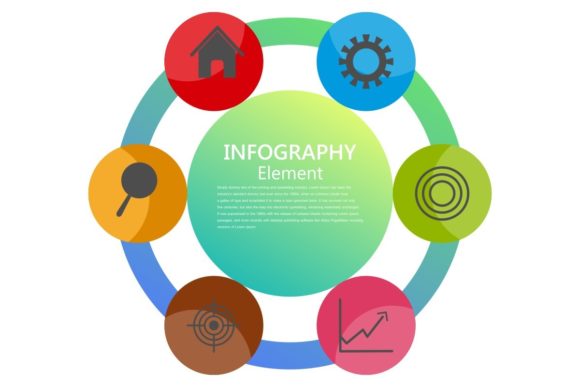
Infographics Steps Vector Designs: Enhancing Visual Communication with Editable, Scalable Graphics
Infographics Steps Vector Designs offer a streamlined way to visually represent processes, workflows, and structured data. Whether you're a marketer explaining a customer journey, a teacher illustrating a learning path, or an entrepreneur mapping out a business strategy, these vector-based designs provide a flexible and professional solution. Designed for clarity and adaptability, they support a wide range of use cases across industries and disciplines.
Unlike static images, vector files maintain quality at any size, making them ideal for both digital and print formats. With access to AI, SVG, CMX, JPG, and PNG files, users can open, edit, resize, and integrate these graphics seamlessly into their existing workflows. This versatility ensures that Infographics Steps Vector Designs can be used across multiple platforms and software applications, including Adobe Illustrator, CorelDRAW, and other vector-based editors.
How Infographics Steps Vector Designs Fit Into Real Workflows
Visual communication plays a critical role in modern professional and creative environments. Whether you're preparing a presentation, designing marketing collateral, or building educational content, the ability to convey complex processes in a digestible format is invaluable. Infographics Steps Vector Designs serve as ready-made visual frameworks that can be customized to suit specific needs, saving time while maintaining a polished, professional appearance.
These designs are particularly useful during the planning and execution phases of a project. For instance, a project manager might use them to outline a multi-phase rollout plan, while a content creator could use them to break down a production workflow. Their modular nature allows for easy reorganization, ensuring that the visuals evolve alongside the project.
Integration with Tools and Platforms
One of the key strengths of Infographics Steps Vector Designs lies in their compatibility. Because they come in multiple formats—editable vector files and high-resolution raster images—they can be imported into a variety of tools. Designers can tweak colors, icons, and layout in Adobe Illustrator or Inkscape, while non-designers can embed the PNG or JPG versions directly into PowerPoint, Google Slides, or Canva templates.
For digital marketers, these infographics can be embedded into landing pages, blog posts, or email campaigns to explain product features, onboarding steps, or service processes. Educators can incorporate them into course materials to visually outline learning objectives or lesson sequences. Entrepreneurs and small business owners may use them to map out business plans or operational workflows for internal use or client presentations.
Practical Implementation Tips
Integrating Infographics Steps Vector Designs into your workflow starts with identifying where visual clarity can improve understanding or engagement. Begin by assessing the type of information you need to communicate. Are you explaining a step-by-step process, a decision tree, or a timeline? Once you've determined the structure, select the appropriate template from the available vector files and customize it to match your brand or content style.
- Start with a clear objective: Define the message or process you want to illustrate before modifying the design.
- Customize for consistency: Adjust colors, fonts, and icons to align with your existing branding or presentation style.
- Use layers effectively: Vector files allow for layer-based editing—organize elements so you can easily update or repurpose the design later.
- Test for readability: Ensure text remains legible at different sizes, especially if the infographic will be printed or viewed on mobile devices.
When working with vector files like AI or SVG, it's helpful to maintain a master version that can be reused or modified for future projects. This approach not only improves efficiency but also ensures consistency across your visual materials. If you're using the designs in a collaborative setting, share the vector file with your team so they can make adjustments without compromising quality.
Preparation and Organization for Long-Term Use
Effective use of Infographics Steps Vector Designs extends beyond initial implementation. Proper preparation and organization are key to maximizing their value over time. Before diving into customization, take a few minutes to understand the file structure and how layers, groups, and individual elements are arranged. This will make future edits more efficient.
Consider creating a centralized repository for your vector files, especially if you're working within a team or across multiple projects. Label files clearly and include notes on how they were used previously—this helps streamline reuse and adaptation. If you're integrating these infographics into a content management system or marketing platform, ensure the exported versions (PNG, JPG, or SVG) are optimized for performance without sacrificing quality.
Ensuring Quality and Consistency Across Uses
Maintaining quality and consistency is crucial when using visual assets across different mediums. Since vector files scale without degradation, they are ideal for use in both high-resolution print and responsive web design. However, when exporting to raster formats like JPG or PNG, always choose the highest resolution appropriate for the intended use to prevent pixelation.
Consistency in visual style is equally important. If you're applying these infographics across multiple documents or platforms, maintain a uniform color palette, typography, and icon style. This not only enhances professionalism but also reinforces brand recognition. When making edits, consider using global styles or swatches in your design software to ensure uniformity across all elements.
Real-World Applications and Use Cases
Infographics Steps Vector Designs have broad applicability across various fields. Here are a few examples of how professionals can leverage them effectively:
- Marketing Teams: Visualize customer journeys, campaign workflows, or conversion funnels to improve internal alignment and stakeholder communication.
- Educators: Create step-by-step guides for complex subjects, helping students grasp sequential processes in science, math, or history.
- Project Managers: Use them to outline project phases, approval processes, or resource allocation plans for team clarity.
- Bloggers and Content Creators: Enhance articles with visual summaries of processes or how-to guides, increasing engagement and shareability.
- Small Business Owners: Illustrate service steps, onboarding procedures, or strategic plans for client-facing materials or internal documentation.
These examples highlight how adaptable and valuable these vector designs can be when integrated thoughtfully into daily tasks and long-term strategies. Whether you're creating a single graphic or building a library of reusable visuals, Infographics Steps Vector Designs offer a scalable, efficient way to communicate processes clearly and effectively.