Vector Infographics Steps Design: A Practical Resource for Visual Communication
For professionals who regularly create presentations, reports, or marketing materials, having access to high-quality visual assets is essential. The Vector Infographics Steps Design offers a versatile and scalable solution for those who need clean, editable visuals that maintain clarity across different formats and sizes. Whether you're a marketer preparing a client pitch, an educator designing course materials, or a business owner building a proposal, this type of vector-based resource can significantly streamline your workflow while maintaining visual consistency.
What Makes Vector Infographics Steps Design Stand Out?
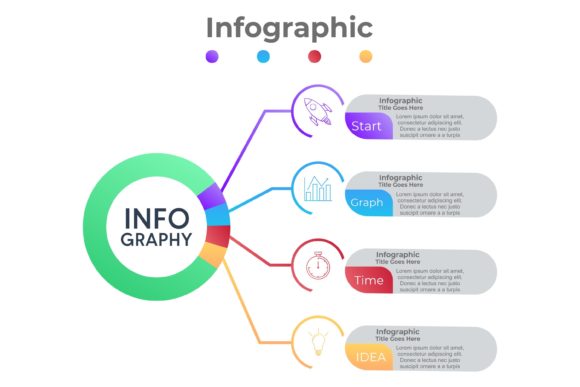
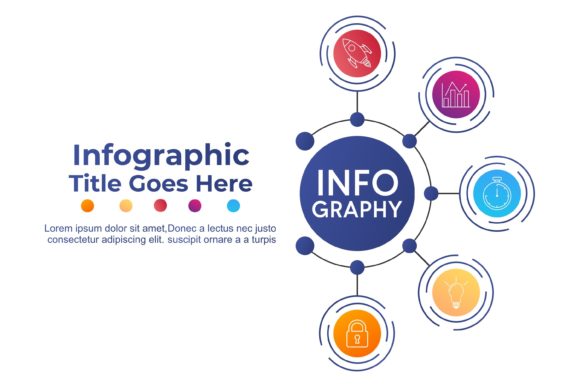
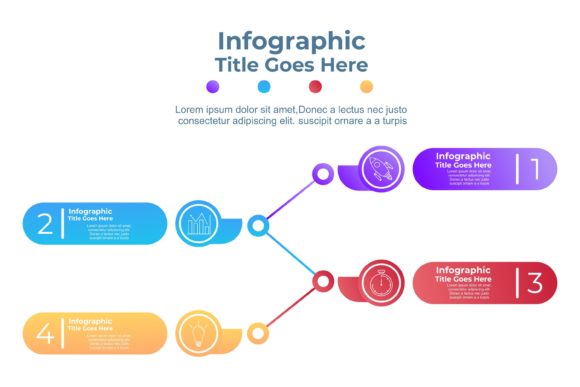
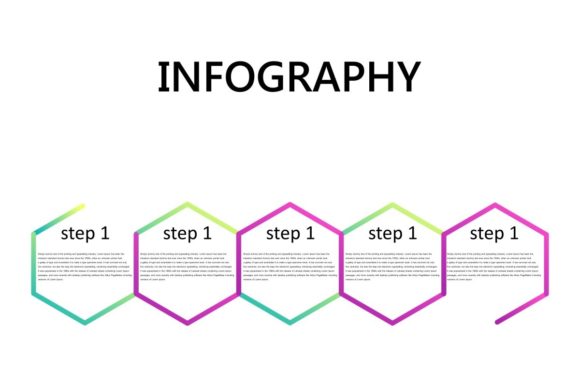
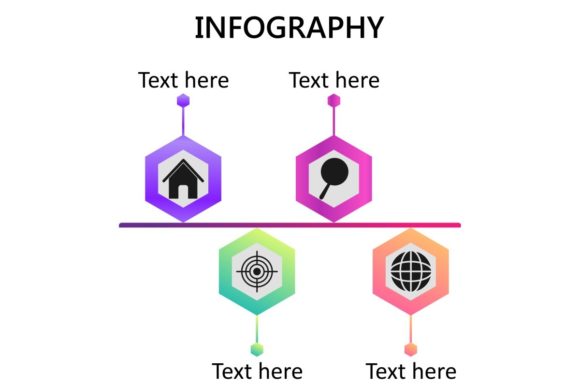
At its core, the Vector Infographics Steps Design package provides a collection of pre-designed step-based visual elements that can be customized to fit a variety of content needs. What sets it apart from standard image assets is its flexibility. Each design is available in multiple formats—JPG, PNG, AI, SVG, and CMX—ensuring compatibility with a wide range of graphic design tools. This means users can open, edit, resize, and repurpose the graphics without any loss of quality, a key advantage over raster-based images that tend to pixelate when scaled up.
Understanding the File Types Included
The inclusion of multiple file types enhances the usability of this design package. Here's a breakdown of what each format offers:
- JPG – Ideal for quick previews or use in platforms that don’t support vector formats.
- PNG – Offers transparency and higher quality than JPG, suitable for web graphics and layered compositions.
- AI (Adobe Illustrator) – Fully editable vector format, best for in-depth customization within Adobe Illustrator.
- SVG (Scalable Vector Graphics) – Web-friendly vector format that maintains clarity at any size, perfect for responsive web design.
- CMX (CorelDRAW Metafile Exchange) – Compatible with CorelDRAW, allowing users of that platform to work seamlessly with the designs.
Real-World Use and Practical Benefits
In practice, the Vector Infographics Steps Design shines when used in content that requires structured visual storytelling. For example, a project manager might use these step-based visuals to illustrate a workflow in a PowerPoint presentation. A digital marketer could integrate them into an infographic for a blog post or landing page. Because the files are vector-based, they scale cleanly for both screen and print use, making them suitable for everything from social media posts to large-format posters.
One of the most valuable aspects of this design set is its adaptability. Users can adjust colors, text, and layout elements to match brand guidelines or specific project themes. This eliminates the need to design visuals from scratch every time, saving time while maintaining a professional appearance.
Quality and Consistency Across Formats
One concern with multi-format design packages is whether the quality remains consistent across different file types. In the case of Vector Infographics Steps Design, the vector-based formats (AI, SVG, CMX) retain their crisp edges and scalability regardless of size. Even the raster formats (JPG and PNG) are delivered at high resolution, making them suitable for most digital and print applications. This level of consistency ensures that the visuals remain effective whether used in a small icon or a full-page layout.
Usability for Different Skill Levels
While advanced users will appreciate the full editing capabilities in Adobe Illustrator or CorelDRAW, even those with limited design experience can benefit from the PNG and JPG versions. These can be inserted directly into common tools like PowerPoint, Canva, or Google Slides without requiring any specialized software. However, to fully leverage the flexibility of the design, some familiarity with vector editing tools is recommended.
Who Will Benefit Most from This Design Set?
The Vector Infographics Steps Design is particularly useful for:
- Marketers creating infographics, reports, and campaign visuals.
- Educators and trainers who need to illustrate processes or learning paths.
- Freelancers and designers looking for adaptable templates to speed up client work.
- Small business owners developing presentations or marketing materials without hiring a designer.
It’s also a solid choice for content creators working across multiple platforms, as the SVG format supports responsive web design and the AI and CMX files allow for in-depth customization.
Limitations and Considerations
As with any design asset, there are a few limitations to be aware of. While the step-based structure is versatile, it may not suit every visual narrative. Users who need highly customized or abstract visuals may find the templates somewhat restrictive. Additionally, the effectiveness of the package depends on the user's ability to edit vector files if customization is required beyond color and text changes.
Another consideration is licensing. It’s important to verify the permitted usage terms—especially if the visuals will be used in commercial products or distributed to third parties. Most vector design packages come with standard licenses that allow for broad use, but exceptions do exist.
Final Thoughts: Is Vector Infographics Steps Design Worth It?
For professionals who frequently create visual content and need a reliable, scalable solution, the Vector Infographics Steps Design offers a practical and time-saving option. Its combination of high-quality vector files, multiple formats, and straightforward customization makes it a strong asset for presentations, marketing materials, and educational content. While it may not replace fully custom illustrations, it serves as a valuable foundation that can be adapted to fit a wide range of projects.
If your workflow involves explaining processes, workflows, or structured information visually, this design set is worth considering. It delivers a balance of quality, flexibility, and usability that aligns well with the needs of modern professionals who value efficiency and polished presentation.