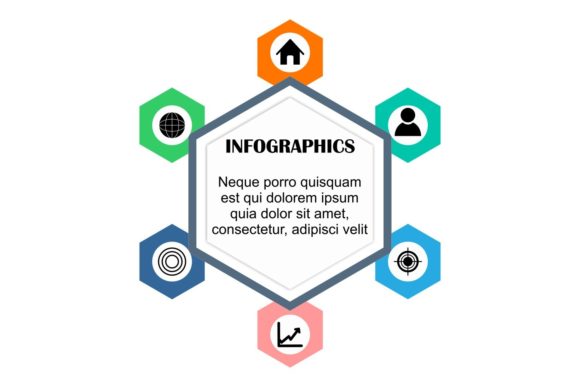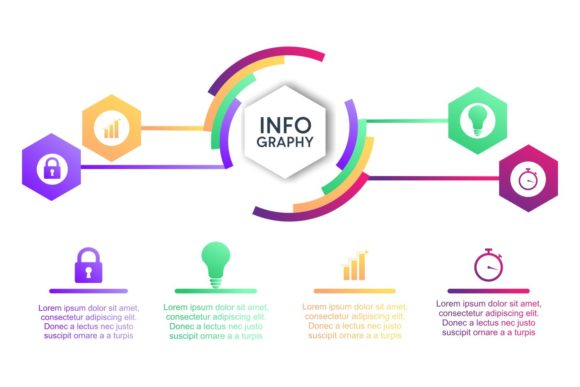
The Power of Infographics Vector Design: Flexible, Editable, and Future-Ready Visual Communication
In today’s fast-paced digital world, visual communication is more critical than ever. From entrepreneurs launching new brands to marketers crafting compelling campaigns, the demand for high-quality, adaptable visuals has surged. Among the most valuable tools in this visual revolution is infographics vector design — a versatile, scalable solution that empowers creators to deliver crisp, professional visuals across platforms and formats.
What Is Infographics Vector Design?
Infographics vector design refers to the creation of visual data representations using vector-based graphics. Unlike raster images (like JPEGs or PNGs), which are made up of pixels and can lose clarity when scaled, vector graphics are built using mathematical equations. This allows them to be resized infinitely without any loss of quality. Common file formats include AI (Adobe Illustrator), SVG (Scalable Vector Graphics), and CMX (CorelDRAW Metafile Exchange), all of which are openable, editable, and resizable in vector-based software such as Adobe Illustrator, CorelDRAW, and Inkscape.
When you download an infographic vector design package, you typically receive multiple formats: a JPG and PNG for immediate use, and vector files (AI, SVG, CMX) for customization and scalability. This combination ensures that users can deploy the design instantly while retaining the ability to tweak colors, layouts, text, and icons to match evolving brand guidelines or campaign needs.
Why Infographics Vector Design Matters in Modern Visual Communication
Visual content is not just preferred — it’s expected. Studies show that people process images 60,000 times faster than text, and infographics are among the most effective ways to distill complex information into digestible, engaging visuals. But as platforms and screen sizes diversify — from mobile devices to large-format digital signage — static, pixel-based images no longer suffice. This is where vector-based infographics shine.
- Adaptability: Vector files can be scaled to fit any screen or medium without compromising quality.
- Customization: Designers can easily modify colors, fonts, and layout elements to align with brand identity or campaign messaging.
- Cross-platform Compatibility: With support across major design software, vector files ensure seamless collaboration and reuse across teams and tools.
For businesses and professionals, this means fewer redesigns, faster turnaround times, and more consistent branding — all of which contribute to a more agile and responsive visual strategy.
Industry Trends Driving the Demand for Vector-Based Infographics
The rise of vector-based design is not isolated to graphic design circles. Several broader trends are fueling its adoption across industries:
- Remote Work and Collaboration: As teams become more distributed, the need for editable, standardized design assets has grown. Vector files allow team members to work on the same design regardless of their location or software preference.
- Dynamic Content Marketing: Marketers are increasingly relying on data-driven storytelling. Vector infographics allow for easy updates, ensuring content remains relevant and accurate as data evolves.
- Mobile-First Design: With mobile traffic accounting for over half of global web traffic, designers must ensure visuals scale perfectly across devices. Vector graphics offer the clarity and responsiveness required for mobile-first strategies.
- Brand Consistency: Brands are investing more in visual identity systems that can be applied consistently across digital and print media. Vector files support this by enabling precise control over every visual element.
Practical Applications Across Professions
Whether you're a startup founder, a freelance designer, or a corporate marketing lead, infographics vector design offers tangible benefits across a range of use cases:
Entrepreneurs & Startups
Startups often operate on tight budgets and fast timelines. Vector-based infographics allow founders to create polished pitch decks, investor reports, and social media assets without needing custom design work for every platform. With editable files, they can quickly adapt visuals to suit different audiences or investor profiles.
Freelancers & Designers
Design professionals can significantly enhance their workflow by using vector files. Instead of rebuilding infographics from scratch for each client, they can start with a pre-designed vector template and tailor it to the client’s needs. This saves time and ensures a higher-quality output, especially when working under tight deadlines.
Marketers & Content Creators
For digital marketers, repurposing content is key. Vector infographics make it easy to reuse the same data across blog posts, email newsletters, social media, and presentations. Since the files are editable, marketers can update statistics, rebrand visuals for different audiences, and optimize designs for various platforms without losing fidelity.
Business Analysts & Data Scientists
Vector infographics are also becoming a go-to tool for data visualization professionals. Whether presenting quarterly reports or visualizing market trends, these designs help communicate insights clearly and persuasively. The ability to edit and scale vector graphics ensures that visuals remain effective regardless of where they appear — from a printed report to a digital dashboard.
Why People Are Paying Attention to Vector Design
As digital expectations rise, so do the demands on visual content. Audiences now expect high-quality, interactive, and personalized visuals — and brands must deliver. Vector design meets these expectations by offering:
- High Resolution at Any Size: Whether viewed on a smartphone or a billboard, vector graphics maintain clarity and sharpness.
- Easy Customization: Users can tweak visuals without needing advanced design skills, thanks to intuitive editing tools in vector software.
- Long-Term Usability: Vector files can be reused and updated over time, making them a sustainable choice for evolving businesses.
Moreover, with the increasing integration of AI and automation in design workflows, vector files are more compatible with emerging tools that can auto-generate or optimize visual content. This positions vector-based infographics as not just a current solution, but a future-proof one.
Connecting Vector Design to Larger Industry Developments
Infographics vector design is part of a broader shift toward modular, reusable, and scalable digital assets. As companies invest in digital transformation, design systems, and brand automation, the need for flexible visual assets becomes even more pronounced.
For instance, the rise of headless CMS and multi-channel publishing means that the same content must appear across websites, mobile apps, print, and even augmented reality experiences. Vector graphics are uniquely suited to this environment, ensuring that visuals remain consistent and high-quality across all touchpoints.
Additionally, as sustainability becomes a core business value, the reusability and longevity of vector files align with eco-conscious practices. Reducing the need for repeated design work and minimizing digital waste supports both creative efficiency and environmental responsibility.
Conclusion: The Strategic Value of Infographics Vector Design
In a world driven by visual storytelling and rapid content iteration, infographics vector design is more than a technical choice — it’s a strategic advantage. Whether you're creating a presentation for investors, designing a marketing campaign, or visualizing complex data, vector-based infographics offer the flexibility, scalability, and quality that modern professionals demand.
By embracing vector design, creators can future-proof their visual assets, streamline their workflows, and deliver consistently high-quality content across platforms. With downloadable packages that include JPG, PNG, AI, SVG, and CMX files, professionals can start using these designs immediately while retaining full control for customization and long-term use.
Thanks for downloading. It’s time to transform how you communicate with clarity, precision, and creativity — using the power of vector-based infographics.