Unlocking the Power of Colorful Infographics: Design, Files, and Vector Flexibility
Infographics have become a go-to tool for communicating complex information in a visually engaging way. Whether you're presenting data in a business meeting, teaching a class, or sharing insights on social media, colorful infographics can elevate your message and make it more memorable. But what makes an infographic truly effective? And why are vector files like AI, SVG, and CMX so valuable in this context? Let’s dive in.
What Are Colorful Infographics?
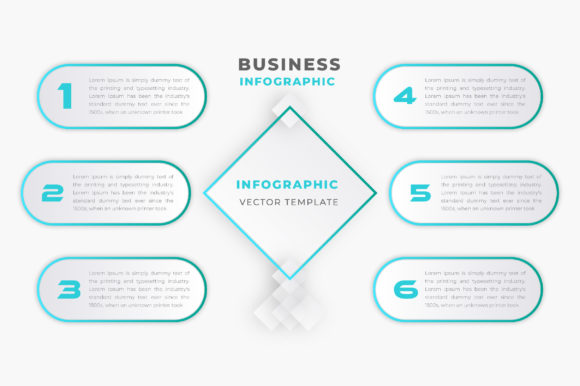
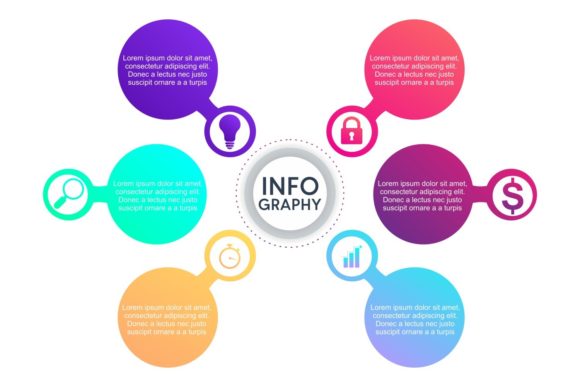
Colorful infographics are visual representations of information that use a combination of icons, charts, illustrations, and text to convey messages clearly and concisely. The use of vibrant colors not only captures attention but also helps in categorizing and highlighting key points. These infographics are especially useful when you want to simplify complex data or tell a story with visuals.
From timelines and flowcharts to comparison charts and statistical breakdowns, infographics come in many forms. Their effectiveness lies in their ability to communicate quickly and clearly, making them a favorite among marketers, educators, and content creators alike.
Why Design Quality Matters
The design of an infographic plays a crucial role in how well it communicates. A well-designed infographic is balanced, easy to read, and visually cohesive. It uses color psychology, typography, and layout techniques to guide the viewer’s eye and emphasize important points.
When you download a professionally designed infographic, you’re not just getting a pretty picture—you’re gaining access to a thoughtfully crafted visual narrative. This is especially important in professional settings where clarity and credibility are key.
Understanding Vector Files: Why They’re Essential
Vector files—such as AI (Adobe Illustrator), SVG (Scalable Vector Graphics), and CMX (CorelDRAW)—are different from standard image formats like JPG or PNG. Instead of being made up of pixels, vector graphics are created using mathematical equations, which means they can be scaled to any size without losing quality.
This makes vector files incredibly versatile. Whether you need to resize an infographic for a billboard or shrink it for a mobile app, the image will remain sharp and clear. Vector files are also editable, allowing designers to tweak colors, adjust layouts, or modify elements without starting from scratch.
Types of Files You Get
- JPG: A compressed image format ideal for quick sharing and web use.
- PNG: A high-quality image format with transparent background support.
- AI: Adobe Illustrator file for advanced editing and customization.
- SVG: Scalable Vector Graphics file perfect for responsive web design.
- CMX: CorelDRAW file for users of CorelDRAW software.
Practical Uses of Colorful Infographics in Modern Life
Infographics are more than just decorative visuals—they serve practical purposes across various fields. Here’s how they’re being used today:
1. In Business and Marketing
Companies use infographics to present market research, product benefits, and customer testimonials in a visually appealing way. A colorful, well-designed infographic can be shared on social media, included in presentations, or embedded in blog posts to attract and inform audiences.
2. In Education and Training
Teachers and trainers often use infographics to explain complex topics. For example, a timeline infographic can help students visualize historical events, while a flowchart can break down a scientific process step by step.
3. In Healthcare and Public Awareness
Health organizations use infographics to communicate important information about diseases, treatments, and preventive care. These visuals are especially effective in public campaigns where clarity and accessibility are crucial.
4. In Technology and Data Visualization
Data scientists and analysts use infographics to summarize findings and highlight trends. With the right design, even large datasets can be simplified into digestible visuals that tell a compelling story.
Benefits of Using Editable and Resizable Infographics
One of the biggest advantages of using infographics with vector files is their flexibility. Let’s explore why editable and resizable infographics are so valuable:
- Customization: Vector files allow you to change colors, fonts, and layout elements to match your brand or personal style.
- Scalability: Whether you need a small thumbnail or a large poster, vector graphics maintain their quality at any size.
- Compatibility: Vector files are compatible with a wide range of design software, including Adobe Illustrator, CorelDRAW, and free tools like Inkscape.
- Professional Quality: Vector graphics ensure that your visuals look sharp and polished in both digital and print formats.
How to Make the Most of Your Infographic Files
Whether you're a designer or a non-designer, there are ways to make the most of your infographic files:
- Start with a Purpose: Know what message you want to convey and design around that goal.
- Use the Right Tools: If you’re editing vector files, use software like Adobe Illustrator or CorelDRAW for the best results.
- Keep It Simple: Avoid clutter. Focus on the most important information and present it clearly.
- Test Across Devices: Make sure your infographic looks good on both desktop and mobile screens, especially if you’re using SVG files for web purposes.
- Share and Repurpose: Use your infographic across multiple platforms—blogs, social media, presentations, and print materials—to maximize its reach.
Common Misconceptions About Infographics
Despite their popularity, there are some common misconceptions about infographics:
- "Infographics are just for designers." Not true! Many tools and templates allow anyone to create or customize infographics, even without design experience.
- "They only work for visual learners." While they do benefit visual learners, infographics also help reinforce memory and comprehension for all types of learners.
- "More data is always better." Actually, the best infographics are concise. Too much information can overwhelm the viewer and dilute the main message.
Conclusion: Why Colorful Infographics with Vector Files Are Worth It
Colorful infographics are more than just eye-catching visuals—they are powerful communication tools that simplify complex information and make it accessible to a wide audience. When you have access to vector files like AI, SVG, and CMX, you gain the ability to edit, resize, and customize these visuals to suit your specific needs.
Whether you're a business owner, educator, marketer, or creative professional, investing in high-quality, editable infographics can enhance your content and improve how your audience engages with it. With the right design and flexibility, your message can reach more people—clearly, creatively, and effectively.
So the next time you're looking to present data, explain a process, or tell a story visually, consider using colorful infographics with vector files. They offer the perfect blend of aesthetics, functionality, and adaptability for any modern project.